The 5 Most Underrated Fintech Models in Indonesia
Indonesia isn’t just SEA’s largest market, it’s also one of its most experimental. And while the spotlight often shines on Jakarta’s unicorns, we think the real magic is happening in overlooked corners of the country, in community groups, WhatsApp chats, warungs (we'll touch on this later), and rice paddies. Through SeedEast, I'm tracking these edge-case models because I believe they hold the next wave of breakout potential, especially for founders who build with local context. In this post, I will break down five underrated fintech models in Indonesia, why they matter, and which players are already making moves.
CATEGORY:
Strategy
DATE:
September 11, 2025
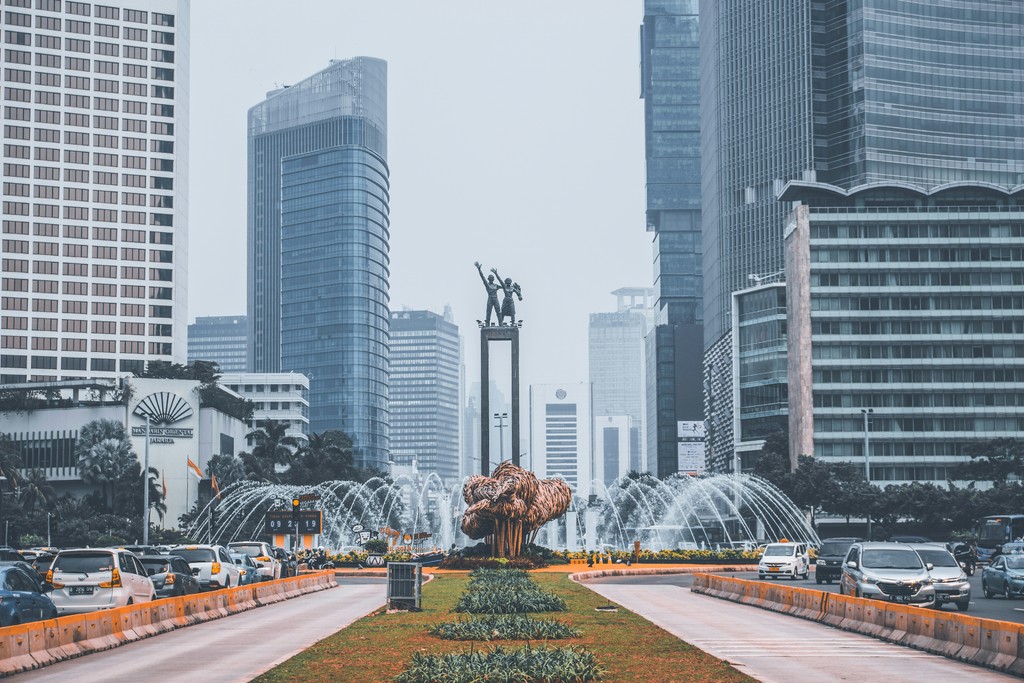
Firstly Indonesia is:
Big, over 270 million people, making it the fourth-largest country in the world.
Young and digital, more than 60% are under 35, most of them glued to mobile screens.
Regulation-friendly, especially for digital payments, peer-to-peer lending, and Islamic finance.
Island-based and hyperlocal, with over 17,000 islands, logistics and infrastructure challenges make innovation a necessity.
Other than being a huge market, Indonesia is a sandbox for building tools that don’t just work despite constraints but because of them. Building for the “next billion” here isn’t some McKinsey buzzword. It’s real.
1) Community Lending 2.0
You’ve heard of P2P lending. But the next wave in Indonesia isn’t about faceless borrowers and credit scores, it’s about community. Think lending circles powered by WhatsApp. Think cooperatives where loans are backed by your mosque group or farming co-op. This is social capital as collateral.
Why it matters: In many rural areas, data is thin and trust is everything. You won’t get a FICO score, but your neighbours will vouch for you.
Who’s doing it well:
Crowde: Financing Indonesian farmers via group models.
Amartha: Blending tech with traditional micro-finance for women in villages.
This is old-school trust meeting new-school infrastructure.
2) Pay by WhatsApp
In Indonesia, if you’re trying to build a fintech product that lives outside WhatsApp… good luck.
With over 90% penetration, WhatsApp is the interface for friends, family, business, and increasingly, payments.
Why it matters: No new app downloads. No onboarding friction. Commerce happens where people already chat.
Real-world use case: A warung (small shop) takes an order over WhatsApp, then sends a payment link. The customer pays, all within one chat thread.
Startups doing interesting stuff:
Midtrans: Making it easy to plug payments into chat.
Chatbiz: Building storefronts inside WhatsApp.
Devs working with Meta’s Business API to turn chats into checkouts.
WhatsApp isn’t just the UI. It is the operating system.
3) Halal First Finance
Indonesia is home to more Muslims than any other country on earth, but most fintech isn’t built with that in mind.
Sharia compliant finance is still in its early days, but we’re seeing the green shoots of something big: tools built from the ground up to align with Islamic principles.
Why it matters: Millions of users want ethical, interest-free, halal-aligned financial tools, but options are limited.
Who’s in the game:
ALAMI: A sharia-compliant P2P lending platform.
Startups building halal investing apps, Islamic micro-savings, and BNPL that avoids riba (interest).
This isn’t just about religion, it’s about trust, identity, and inclusion in financial systems.
4) Local POS for the Warung Economy
Walk down any street in Indonesia and you’ll see them: warungs. Tiny family owned shops that power over 60% of the country’s retail economy.
But here’s the thing, traditional point-of-sale (POS) systems don’t work for them. They’re too bulky, too expensive, too complicated.
Why it matters: If you want to digitise Indonesia’s retail economy, you have to start at the warung.
Startups rethinking POS from the ground up:
Majoo: Simple, mobile-first POS for small shops.
Moka: Offers inventory and payment tools that just work.
Kasir Pintar: Lightweight, low-cost POS for offline sellers.
Trends I'm watching:
QR code payments. (Very prominent and successful in Singapore)
Offline sync.
POS systems that double as credit scoring engines.
This isn’t about sleek iPad terminals. It’s about building tools that feel native to a shopkeeper in rural Sumatra.
5) Rural Savings Platforms
Here’s something that doesn’t get enough airtime: saving is hard, especially when you’re earning seasonally, live far from a bank, and don’t trust formal institutions.
Enter the new wave of rural savings platform, built to match local financial rhythms.
Why it matters: Most rural Indonesians are technically unbanked, but they do use digital tools (via cheap Androids or even SMS).
Emerging models:
Group savings for school fees.
Goal-based savings for religious festivals.
Mobile-first apps that mirror traditional Arisan (rotating savings) models.
Startups to know:
Kredivo (targeting lower-income segments).
BTPN Wow! (branchless banking for the underserved).
Stealth-mode agritech and microbanking tools building from the village level up.
What I'm Tracking through SeedEast
I spend a lot of time looking at edge cases, not just because they’re interesting, but because they’re often the most telling signs of what’s next.
To invest smartly in Indonesia’s fintech space, success hinges on more than just spotting buzzwords or copy-pasting models from Silicon Valley. The winners here are the ones who go hyperlocal, embedding into the real financial lives of warung owners, rice farmers, and WhatsApp users.
Here’s what I care about in Indonesia’s fintech scene:
Founders solving real, messy, high-friction problems.
Products that are embedded in real behaviour, not built in a vacuum.
Teams that use constraints as creative fuel, whether that’s building offline-first, with local languages, or without relying on slick credit data.
The next decade of Southeast Asia fintech isn’t going to be an exact copy-paste from Silicon Valley. It’ll be a remix, focusing on localisation, built for warungs, WhatsApp chats, and community groups.